The Songliao Basin is one of the world’s largest Cretaceous terrestrial sedimentary basins. Its Upper Cretaceous continental strata are extensively developed, making it an ideal region for studying Late Cretaceous paleoclimate, paleoenvironment, and biodiversity. However, the scarcity of large vertebrate fossils discovered in the area has long been a major obstacle to understanding the Mesozoic faunal composition and paleoecological environment of the Songliao Basin.
Since 2019, a research team led by Associate Professor Wu Wenhao from the Center for Paleontology and Stratigraphy, College of Earth Sciences, Jilin University, has conducted systematic fieldwork in the Upper Cretaceous of the Songliao Basin. Their efforts have led to the discovery of multiple dinosaur groups, including tyrannosaurids, dromaeosaurines, velociraptorines, troodontids, non-hadrosaurid hadrosauroids, and titanosauria.
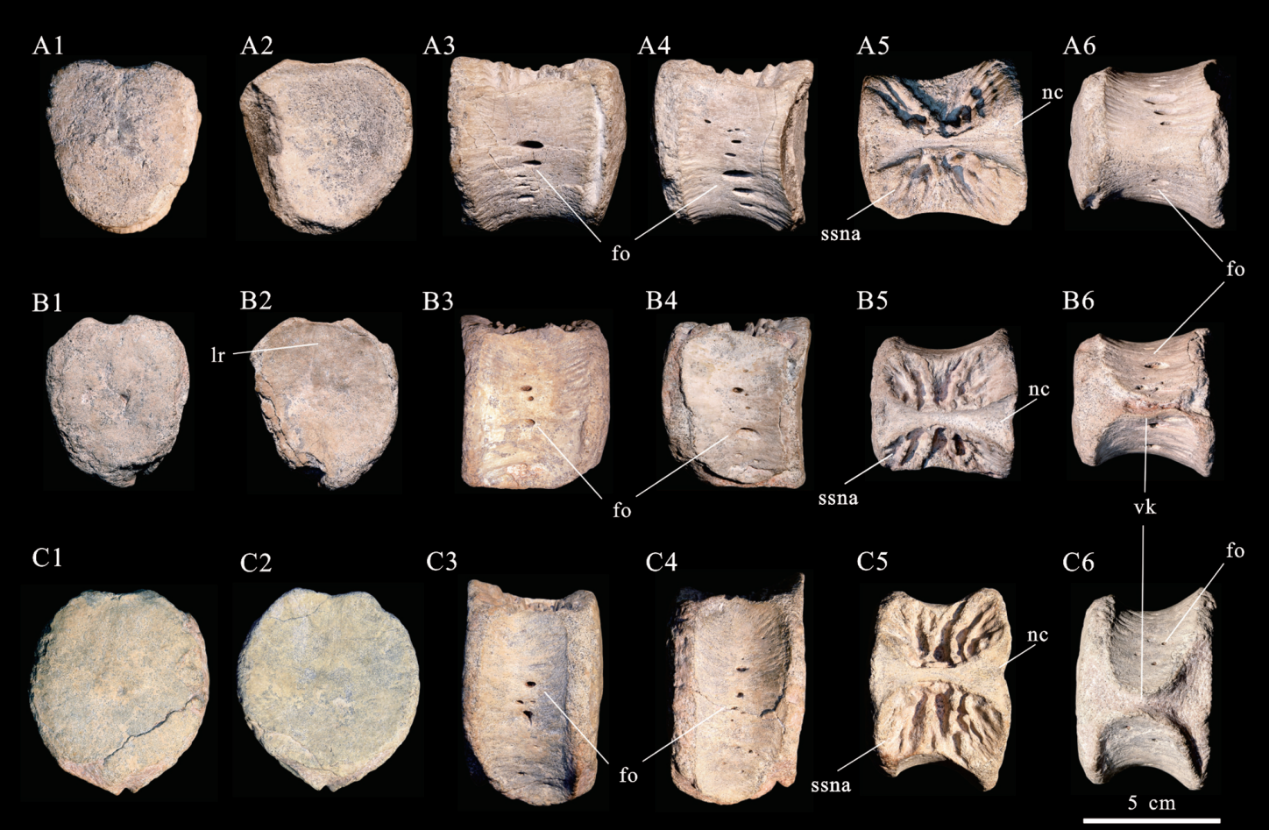
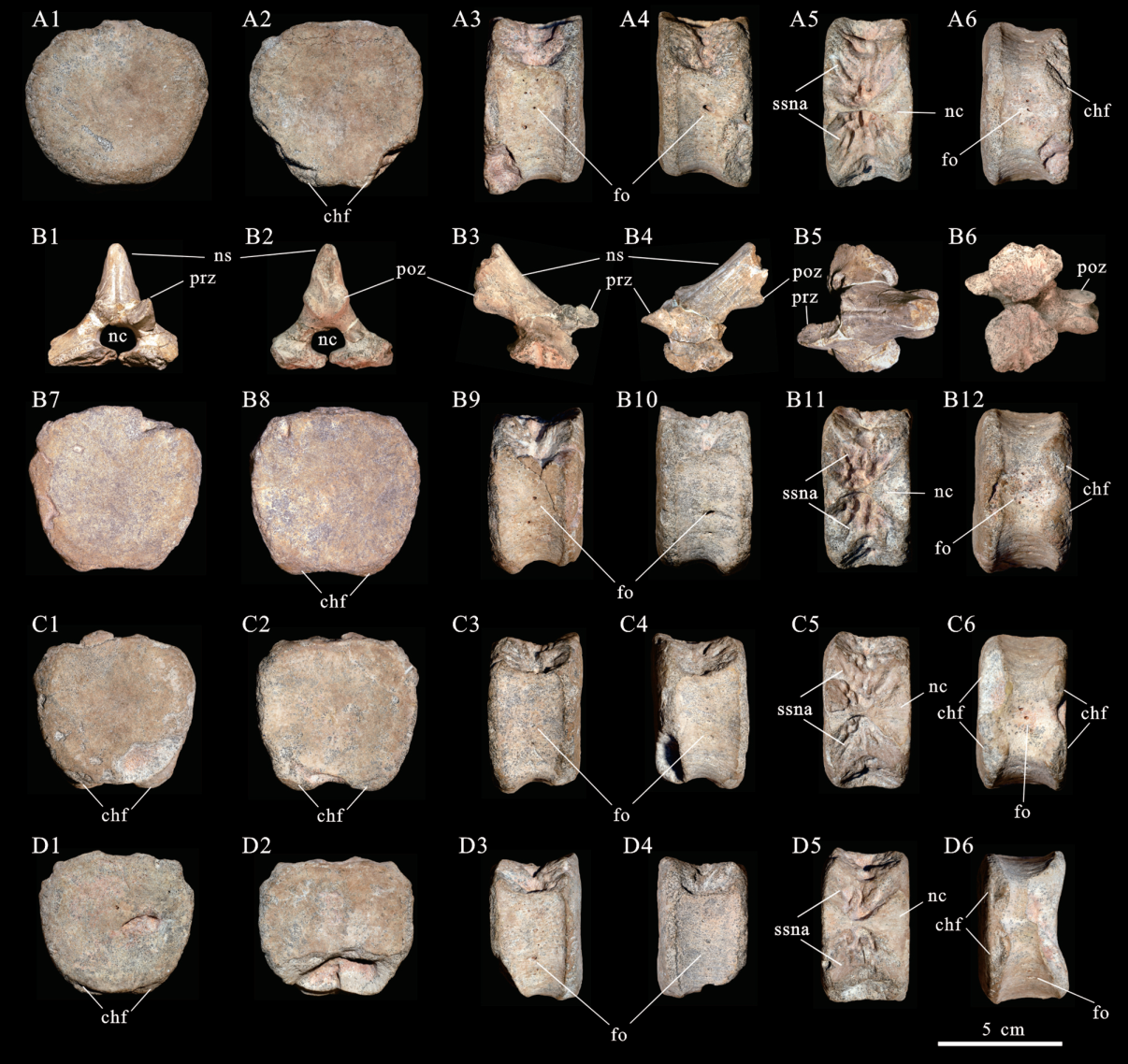
Recently, the team reported the first discovery of hadrosaurid fossils from the Upper Cretaceous Nenjiang Formation in the Songliao Basin, Northeast China. The materials consist of one isolated tooth, three dentary fragments, and several incomplete postcranial bones. Morphological studies indicate that the postcranial bones can be further identified as belonging to Lambeosaurinae.
The Lambeosaurinae specimens found in the Nenjiang Formation of the Songliao Basin represent the oldest known fossil record of this subfamily in China, providing rare materials for understanding its early diversification. This discovery not only further enriches the dinosaur diversity of the Nenjiang Formation in the Songliao Basin but also offers new fossil evidence supporting the hypothesis that Lambeosaurinae migrated from Asia to North America via the Beringia during the early Campanian.
The above-mentioned research findings, titled "First occurrence of hadrosaurid (Dinosauria: Ornithopoda) remains from the Nenjiang Formation (early Campanian) in the Songliao Basin, Northeast China" have been published in the journal "Historical Biology". The first author of the paper is Yu Kaifeng, a doctoral student from the College of Earth Sciences, Jilin University. DOI: 10.1080/08912963.2025.2605518
